a path forward
I was first introduced to God at a Korean-American church inside Big T Bazaar, a strip mall in Texas where my parents owned a beeper store. I was six, my older sister seven, my mom pregnant with her third child. My parents were trying for the third and final time to have a son. I remember her round pregnant belly and that she constantly had cravings for Church’s fried chicken and watermelon. We could only afford to buy treats like that on special occasions and arguments about money often led to my parents throwing things or hateful words at each other. Big T Bazaar was in Oakcliff, a primarily Black neighborhood in South Dallas. Most of the mall’s stores were run by Korean immigrant families, like ours, who sold everything from strongly-scented hair oils and FUBU tall tees, knock-off Reeboks tightly wrapped in clear plastic, and custom gold grillz. The busiest days at the mall were always at the middle and end of the month, synced up with wage pay periods. My parents’ store would flood in with customers coming in with thick stacks of cash to pay their monthly bills in person or to treat themselves to an upgraded beeper model or a fresh case change.
I spent my days at the mall with my sister, zigzagging around the mall’s corridors, peeking our heads into familiar shops owned by other Korean families, looking for other kids to play with. We’d spend hours at the mall’s pet store where the primary attraction was the shop iguana and Shar-Pei. I’d run my fingers over the dog’s heavily-creased face and body, pretending the folds were speedbumps as he’d pant and squint happily at me. During the hot summer months, my sister and I would fight over who got the job of wiping in between his folds where he could develop rashes from overheating.
On Sundays, my mom would get together with several other Korean shop owners in a small room next to the mall manager’s office where they’d hold a Sunday service. We’d climb up the creaky carpeted steps and into a small windowless room with low-ceilings and brown wood-paneled walls. Stackable metal chairs with cracked vinyl seats were lined up in neat rows and the grown ups would motion us to sit down and by the looks on their faces, we knew to sit down and be quiet. There was no pulpit so the pastor would stand just a few feet away from us, reading excerpts from the Bible he held in one hand. With his free hand, there’d be a lot of wild gesturing, his voice crescendoing often to an almost intolerably loud volume. At times, his impassioned voice talking about the need to make sacrifices to be seen as good in the eyes of God scared me. I’d sit in silence, counting down the minutes until the service would be over, when someone would bring out a box of donuts and a pitcher of orange juice made with a tube of Minute Maid frozen juice concentrate.
As I got older, we joined a large Korean-American Presbyterian church in Dallas and we’d go every Saturday and Sunday. Saturday for youth group night and Sundays as a family for Sunday service. I tried to feel God’s presence at church. Sometimes when we’d all stand in unison singing hymns, I thought I found him there in the sound of synchronized voices. The harmonious music would warm my body from the inside out, the lyrics sounded so hopeful I wanted to believe them.
But mostly I dreaded Sundays because the likelihood I’d piss off my mom and things could get physical were very high. Within the confines of the church walls and the pressures of its social stage, it’d become abundantly apparent to my mother that I was not a good Korean daughter. I didn’t have the thin body or pretty face she had expected. No amount of straight-As or 1st place medals at piano competitions could change the shame I’d see wash over her face when one of her friends would tell me for the hundredth time that I was fat and maybe I wouldn’t look so bad if I would just lose some weight. Most injurious to her was my attitude that she found disrespectful and stubborn. She wanted me to be a demure, deferential girl, bowing to and serving my elders with a gracious smile. But something in me refused to take on these customary expectations. I wanted to be free to be me, to be American with all the ease and coziness that seemed to come with. I wanted to walk into a kitchen that smelled like warm chocolate chip cookies with a mom that would hug me and tell me she thought I was wonderful. I wanted to hear the loud laughter and clinking wine glasses of a happy family gathered around a Thanksgiving table, with a big turkey and piping hot macaroni and cheese.
My refusal or inability to take on the role of a perfectly behaved Korean daughter in front of her peers at church would awaken the anger-beast that I knew lived inside her, sometimes dormant but easily stirred. The car rides home would be torture. I’d see her enraged eyes look at me through the rear view mirror and I knew it would be bad when we got home. I’d watch the minutes go by on the digital clock on the car’s dashboard, knowing how many minutes I had left until we got home. How many minutes I had left before my body would take a beating.
It’s ironic how many hymns and sermons I’d listen to at church that centered around God’s mercy. There seemed to be a promise that being a believer meant this omnipotent force was on your side. I believed it. I’d pray at night, asking God for his mercy to help change who I was. Change me into someone with more willpower so I’d stop eating so I could become thin and socially acceptable. Change me into someone who was more obedient that would do as my parents asked so I’d stop provoking them to hit me. Sometimes the prayers would happen during a beating and I’d pray to God to help make it stop. I’d feel my dad’s swift kicks land on my stomach or feel a golf club rap the back of my legs and I’d squeeze my eyes tighter, praying harder. Afterwards in my room alone, I’d pray to God to help me leave this place, to let me die during my sleep so I didn’t have to face it all again in the morning.
It’s now many years later since that time in my life when I’d search for God and his mercy at church and in prayer. I know I won’t find what helped me survive there. Prayers for help were left unanswered, rage-filled parents remained unchanged, my looks and attitude have stayed the same. Horrible, senseless acts of cruelty and selfishness happen all the time, often to those most undeserving. Accepting that fact and releasing the idea that I or any great deity have any real control in preventing life’s injustices continues to be a difficult but necessary pill to swallow in adult life.
Instead, the search for how one survives life’s atrocities and hardships has brought me to another kind of faithful practice. The practice of noticing, giving, and receiving acts of kindness. Kindness is the thing that keeps hope alive, a unifying force that extends beyond any labeled boundaries. Kindness is what reminds us of our power and humanity, reminds us of what’s real. Kindness is the refusal to harden when life has been hard to us, the choice to remain soft, vulnerable, and open. Kindness brings us together and gives us the strength and resilience to get through what seems unbearable to get through alone. Kindness is what allows us to belong to one another, to cherish what it is to be human, to make mistakes and still be accepted. In the face of so much uncertainty and chaos in our world today, the answer is not in the hands of some external force outside of us, a savior who can come make it all okay. Instead life requires what has always been true and what nature models for us every day. To press on, to boldly bring light into a dark world with forceful and unrelenting repetition.
seven years
Once you become a parent, you start hearing the euphemism “it goes by so quickly” all - the - time. I’ve never really known what to say as a response, other than nod in agreement with a polite smile. I’ve heard it so many times that now I catch myself saying it to others, some weird vague parental colloquialism we’ve adopted as a way to express something we’re all experiencing, that can’t quite be put to words.
When I first became a mom, one of the things that shocked me the most was how much I started thinking about death. There were thoughts of death in my anxious ideation - insane elaborate scenarios my reptilian brain would scheme up about how my blobby beautiful baby might get hurt, injured, or worse now that she was out of my safe warm body and so many things could potentially harm her that I had never concerned myself with before. The sight of a rogue blueberry on the floor of our kitchen could incite panicky thoughts of what could’ve happened if she had been able to snag it off the ground while crawling around our terracotta-tiled kitchen floor and put it in her mouth before she had been introduced to solid food. A plastic eyeball our family dog had victoriously mauled off his favorite chew toy, another extreme choking hazard I’d snatch up off the ground in between heart palpitations and self-directed chastising for not having noticed it sooner.
But the more difficult, physically taxing thoughts around death had nothing to do with anxiety and all the what-ifs life can throw at you. It was more the sinking realization that with death, the unavoidable moment of final separation would come between mother and child and the body of a new mother is acutely aware of the pain of physical separation. The first night home from the hospital, my husband (and new dad) held our babygirl in her nursery, feeding her bottles of formula the hospital instructed us to give her to keep up her weight as I waited for my milk to come in. One wall of separation away, I laid in our bedroom, depleted and hurting in places and in ways I never could’ve imagined, feeling empty in a way that I hadn’t formerly thought possible. My insides felt like they had been carved out, like someone had taken a melon baller to my insides and scooped out the very flesh that had slowly formed my new identity as a mom over the past nine months. Every cell in my hollow womb seemed to want to piece itself back together with the baby that was just there before and the forceful magnetic pull towards a reunification that could never be was utterly heart-breaking. I laid there for god knows how long, holding my empty body, arms wrapped around my stomach, weeping with a sense of true despair that I think one can only equate to the miracle of how profound a mother’s love is for their child. This first act of separation and the emotions that came with it helped me to understand that the truest forms of love are the bravest.
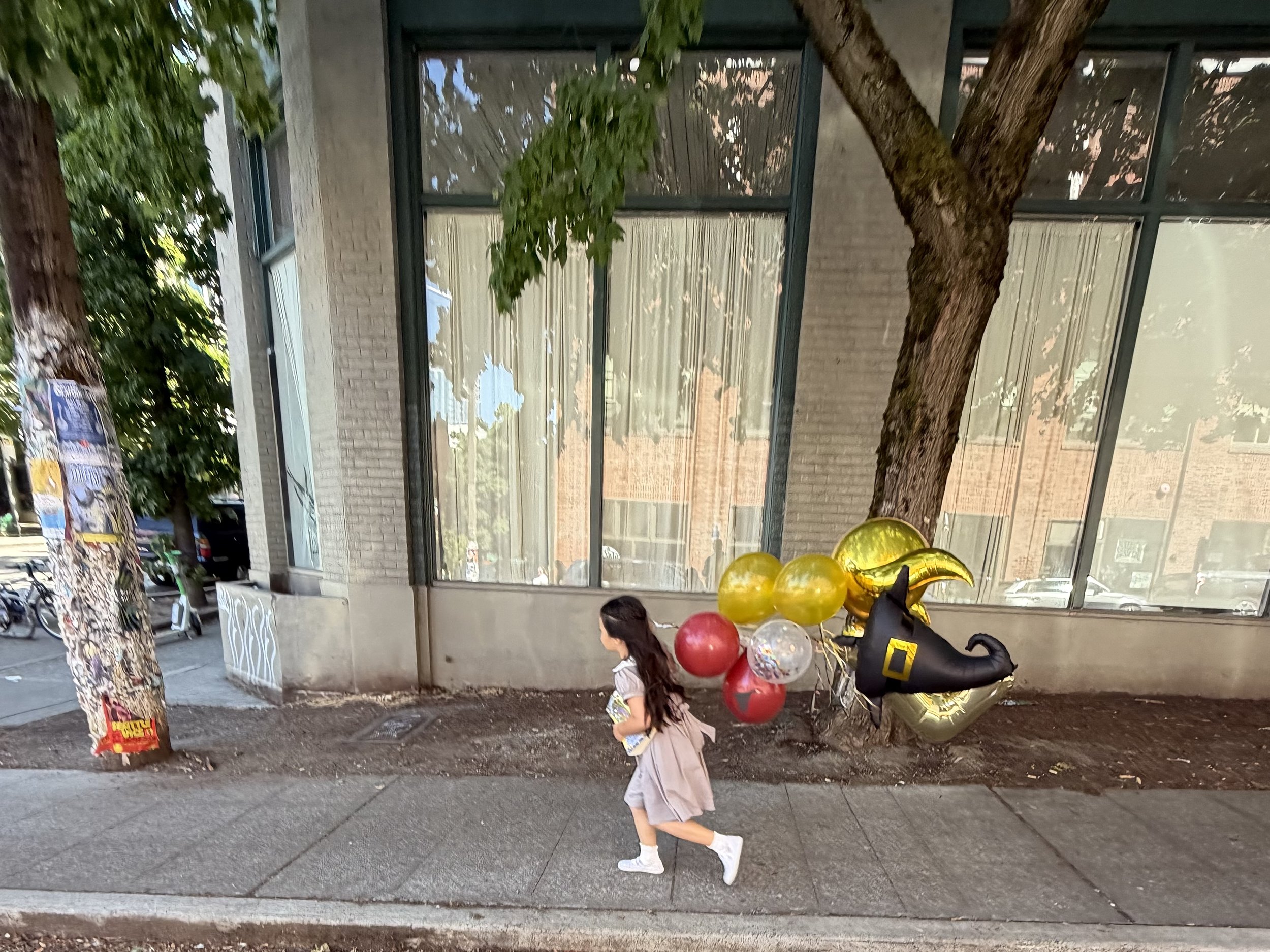
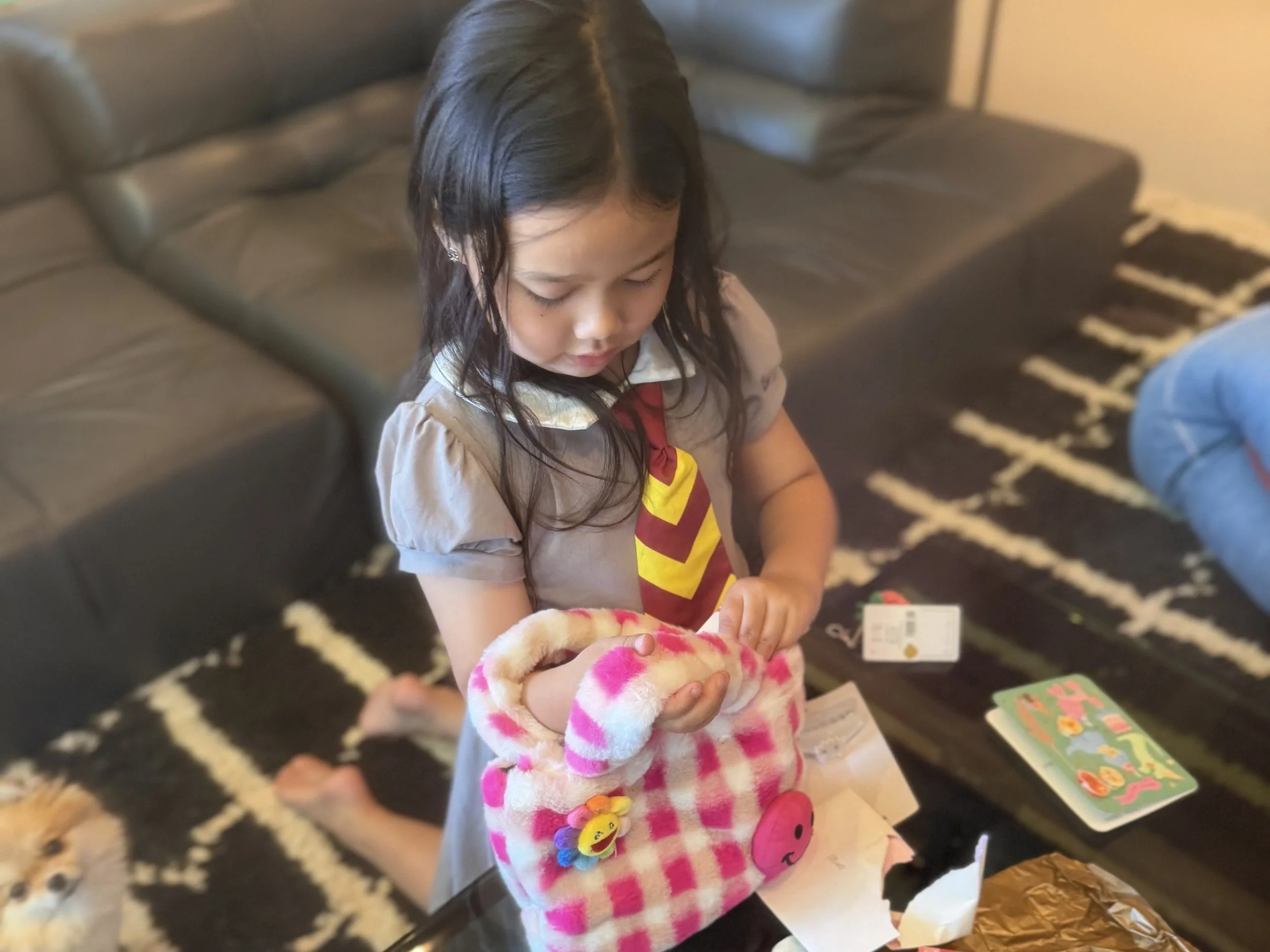
It’s been seven years since that fitful night. My then formula-drinking, wide-eyed baby is now a ninety-eighth percentile in height giant angel of a child. She loves reading as much as I did when I was her age. She can get lost for hours doing large Lego sets while listening to audiobooks of Diary of a Wimpy Kid on her vintage RCA boombox. She’s still at the precious age when she’ll dress up in her Mei costume from My Neighbor Totoro, straw hat and all, just because she’s watching the movie. Charcuterie boards, over-medium fried eggs with buttered toast, and ice cream are her favorite foods. She still says ‘tings’ instead of things and ‘birfday’ instead of birthday. She likes to teach me Katseye dances and still wants me to read her stories when she’s in the bathtub. Recently, she’s started to ask me questions about Shakespeare after reading a graphic novel of Romeo and Juliet she found on her Kindle. She doesn’t understand the tragic ending of Romeo and Juliet, the concept of taking your own life because of a broken heart fundamentally does not compute in her seven-year old mind. The innocence of that somehow fills me with gratitude and grief at the same time. Gratitude because it hasn’t happened yet, grief because I know one day it will. I hope I’m still here to hold her hand through it.
There’s more than one word in the Korean language to describe love. My favorite is the word 정 (jeong). It’s used to describe a bond and connection that grows stronger the more time you spend with someone or something. 정 (jeong) gives respect to the passage of time and all of life’s messy and beautiful moments that lead to the creation of a strong bond. It honors the patina a relationship can take on and explains why the absence of a person, a pet, an object, that you had in your life for years, is so painful to experience.
When your child is born, you hold them in your arms for the first time and you think there’s no way you could ever love someone this much ever again. But through the phenomenon of 정 (jeong), one giggle and tearful tantrum at a time, you realize your love can deepen and grow. Somehow, the time that passes between you and your forever baby, pushes your love past what you felt at first cradling and it evolves into something more tender, more soft, more beautiful. You realize how almost every good parenting decision ready's your child to separate from you further, each independent step they take moves them towards their own life outside of you. And yet, bravely, you sturdy yourself to the inevitability of one day saying your last goodbye and allow the meaningful bond of time to continue.
yamitsuki life, finding adventure in the every day
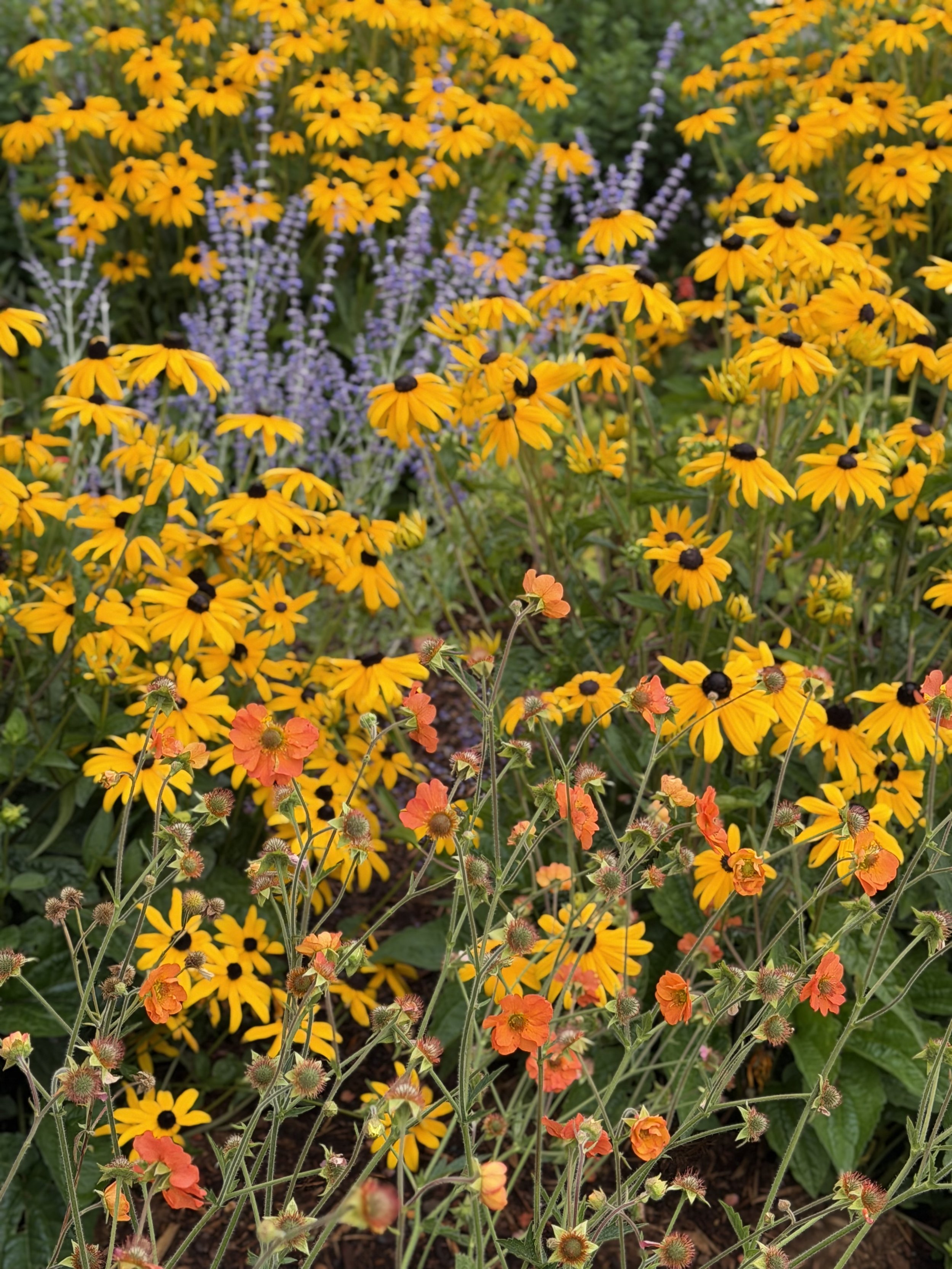
Flexibility is an important word in our family vocabulary. A hard concept to hold at any age, but one we’ve introduced to babygirl since her early days and has proved to be one of the most invaluable life lessons that we’ve taught her so far. There are so few outcomes we can really control and best laid plans like dominos can topple over at any given moment. “Plans can change,” we’ve told her, “instead of focusing your energy on the momentary disappointment or frustration, be open to what spontaneous surprises might lie ahead.”
And this is just the kind of frustrating not-in-our control situation we found ourselves in this past week. The day had started off with foreign-to-the-PNW thunderous claps and downpour from the sky, maybe foreshadowing my own brooding feelings that would surface later in the evening. It’s so difficult to want to be fully in your feels but know as a mom, your visible and palpable dysregulation is contagious to your little tag-along emotional sponge kiddo. For better or worse, it forces me to take my own advice and try to work on my emotional flexibility muscle and be open to moving with less resistance towards where the wind takes us.
We decided our adventure would start off at one of our favorite spots in Seattle, The Wayland Mill, for a Japanese-inspired dinner for three. Most people think of Wayland as a weekend brunch spot (and the hour-long lines serve as proof), but I love the quiet, easy to walk-in atmosphere of the restaurant on weekday nights.
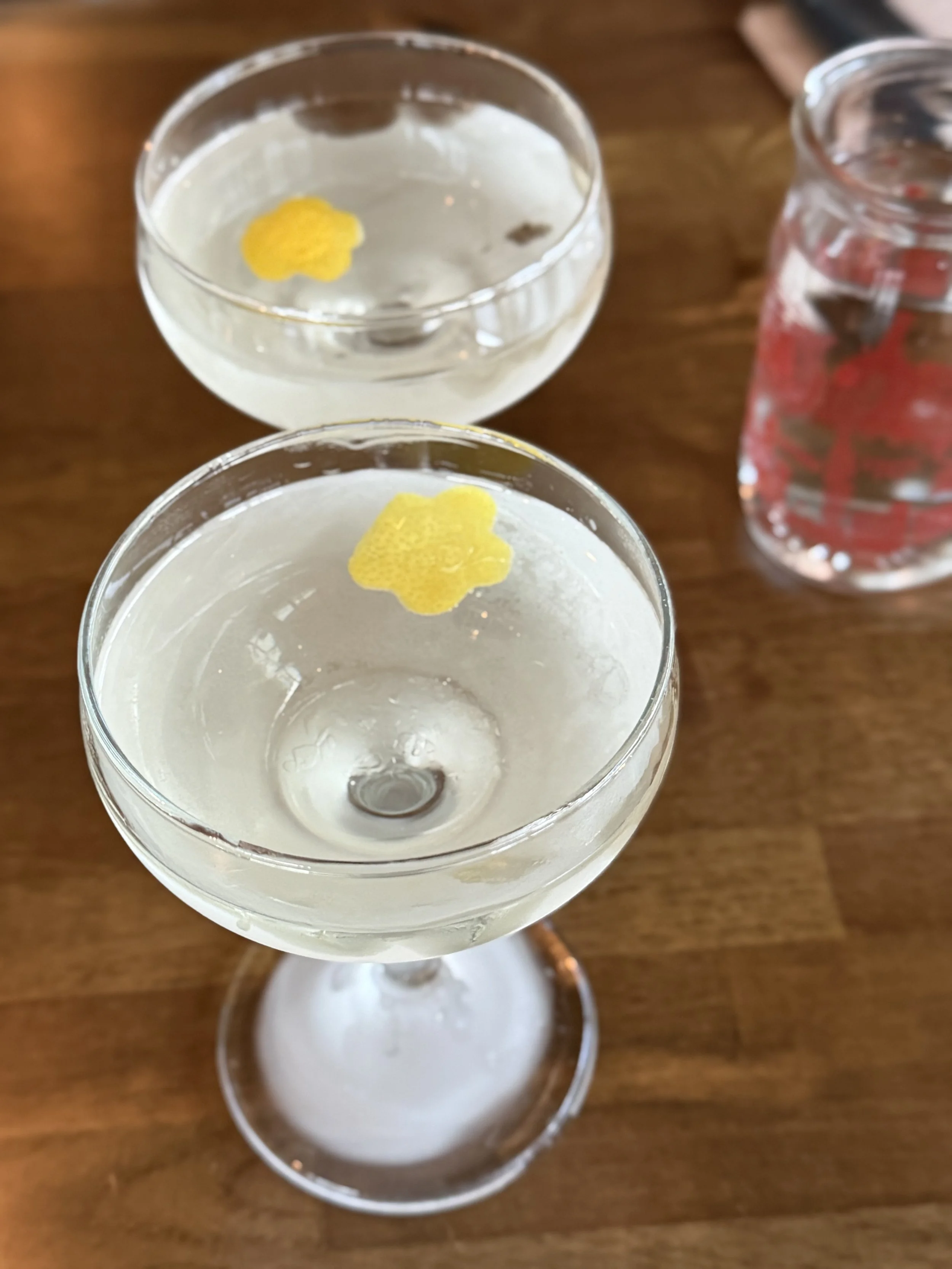
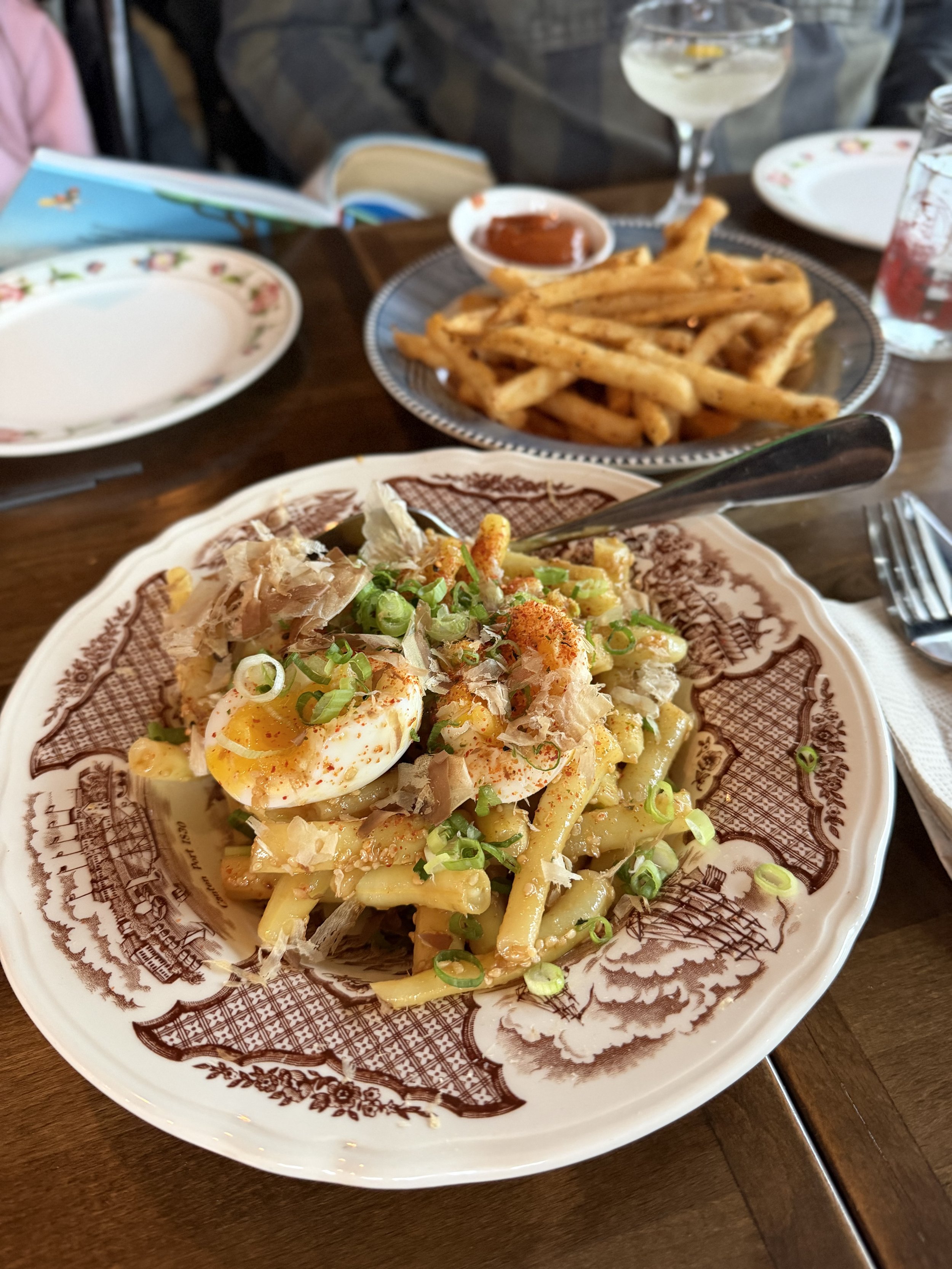
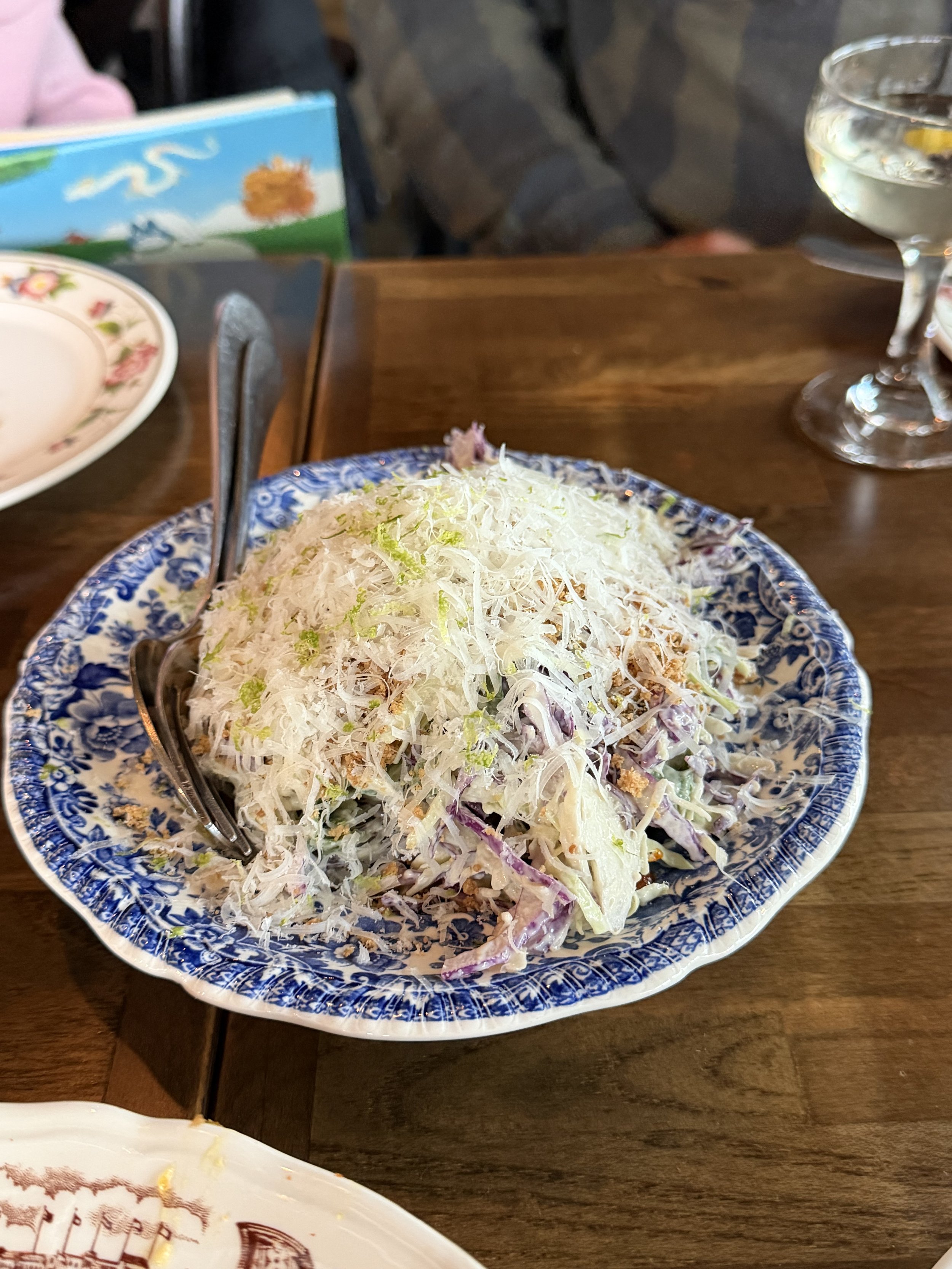
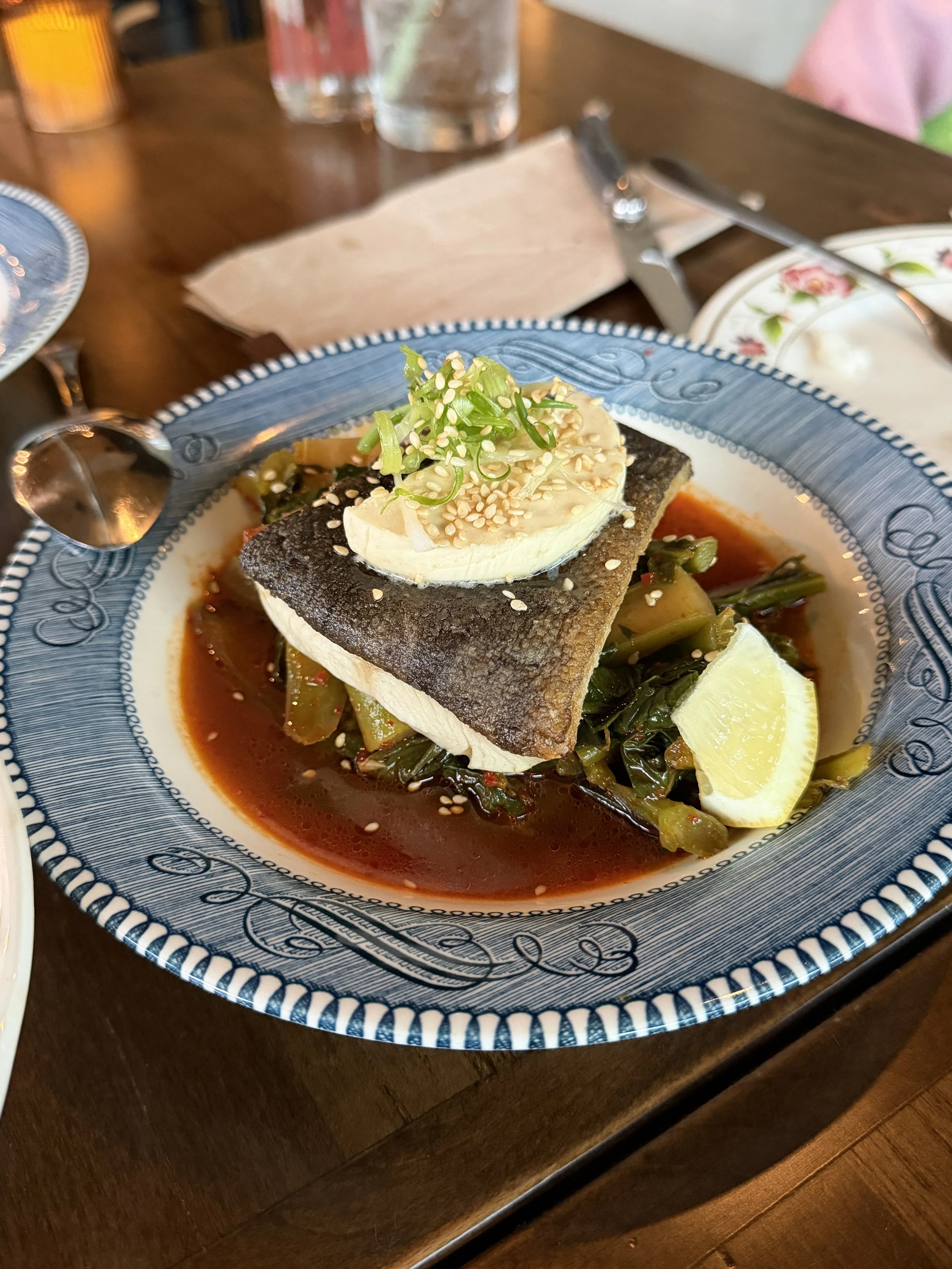
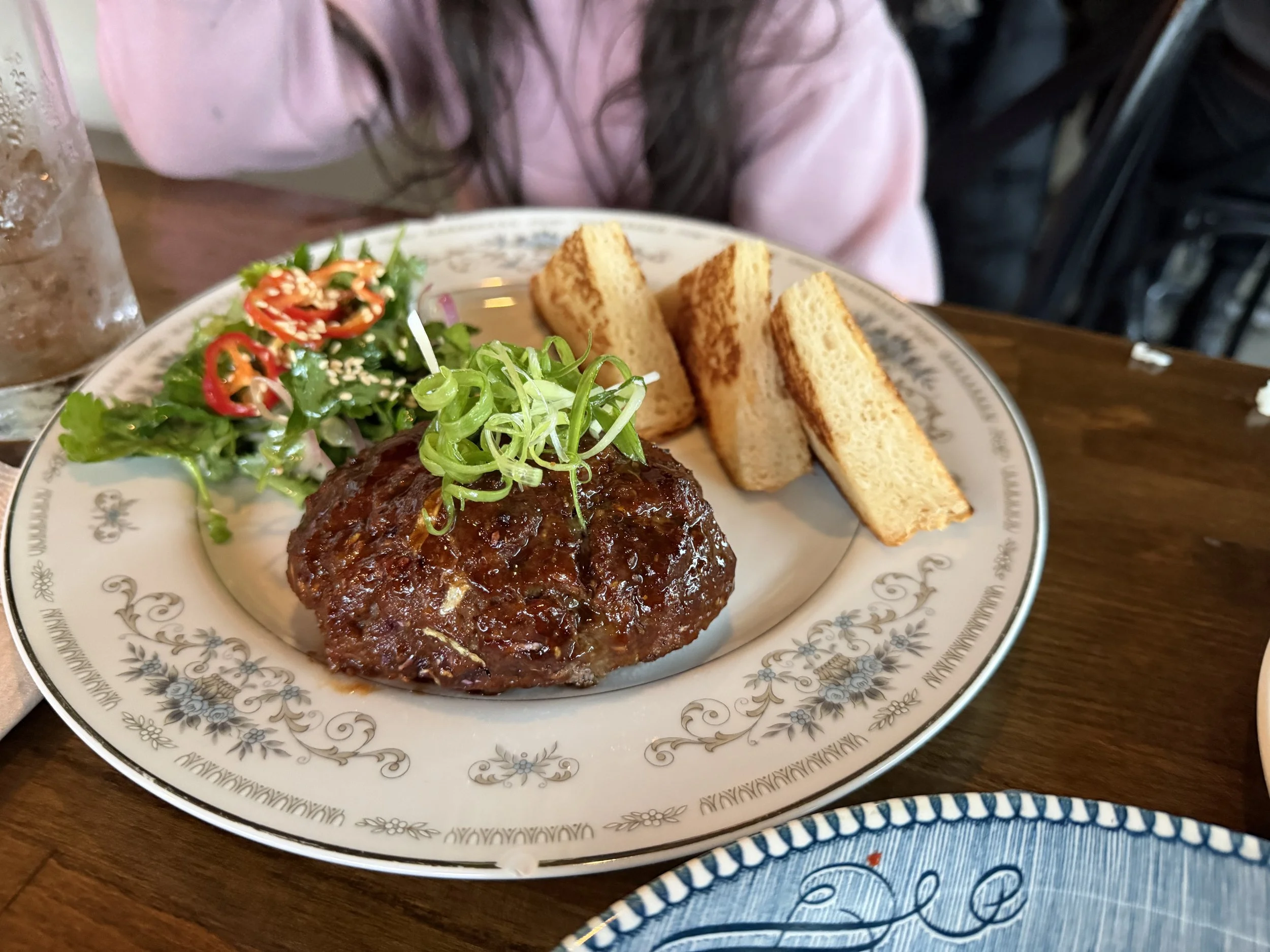
We started off the dinner with two sakura martinis, which came ice-cold in perfectly chilled and frosty coupes, adorned with two tiny, very kawaii (!!), lemon peels cut in the shape of flowers. Followed by string bean “yamitsuki” (Japanese for addictive), which was my favorite dish of the night - crunchy yellow wax beans that are in-season right now that they coated in a light sesame dressing, spicy togarashi, scallions, a soft-boiled egg, and freshly shaved katsuoboshi (bonito). The shaved katsuoboshi was an unexpected but incredibly flavor-enhancing indulgent addition, both from its ability to add a salty umami note but also the textural delight it adds when a big shaving melts in your mouth like salty French-cultured butter. I never say no to adding french fries as a side to our meal and the ones at Wayland are a must order for any potato lover (that would be me). The fries are very (very!) crispy and served with a garlicky curry ketchup. We also ordered a shaved cabbage caesar salad, a pan-roasted gindara (black cod) that they served with a pad of miso butter over thinly cut gai lan (chinese broccoli) with a chili savory oyster sauce. Last but not least, hambagu meatloaf for the little one, who was very stoked it was served with not one but four adorable triangle pieces of gently-toasted and buttered shokupan from their sister restaurant Saint Bread. She was so stoked in fact that one triangle was quickly snatched and gobbled up before I was able to grab a pic.
After dinner, full and happy, we headed home planning for bath time for the little one and hopefully calling it an early night for a good night’s rest. We came home to the still magical bright light of Seattle summer evenings, a slight chill in the air leftover from the day’s earlier thunderstorms, and the piercing strong sound of a singer’s voice and his guitar, coming from Chophouse Row’s Summer Sounds stage. Little needed to be communicated and the three of us made a quick pit stop at home, scooped up the pup to come along with us to head over to 2차 (second round) to listen to live music and ice cream for dessert from Sweet Alchemy.
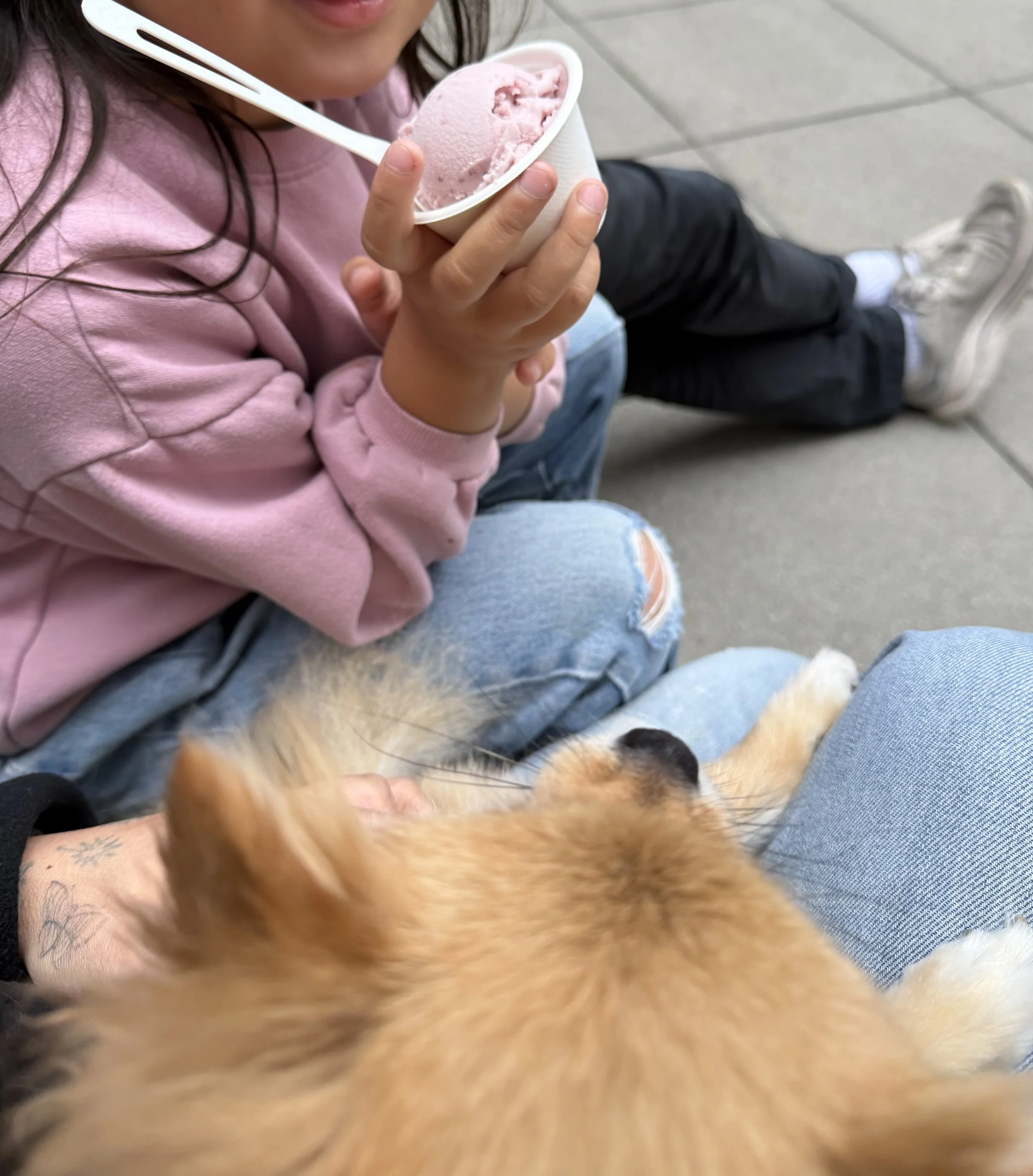
And there in the open courtyard with kid scoops of strawberry ice cream, listening to Radiohead covers and holding the pudgy, still squishy hands of my six-year-old daughter for one of the last times that she’d still be six, I felt the pangs and warmth of what it is to want to hold a moment in time still because you know when it passes, you’ll miss it forever. Flexibility is required to start an adventure but gratitude, the noticing of good things all around us, is essential to get us to where we need to go.